
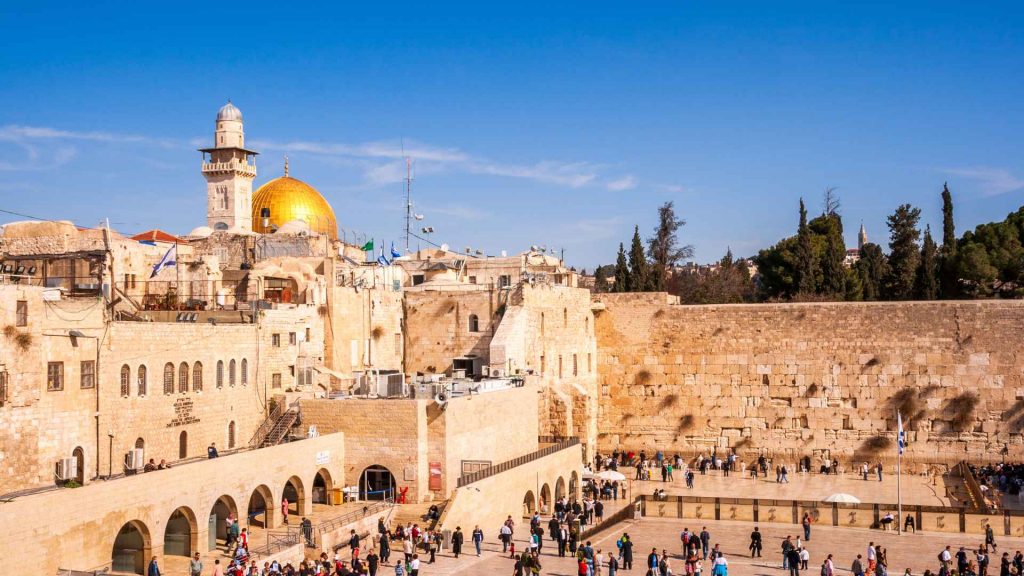
First-time visitors to Israel often experience overwhelming excitement mixed with uncertainty about what their journey will entail. Understanding what to expect helps travelers prepare appropriately and maximize their experience of the Holy Land in 2025. The combination of ancient history, diverse cultures, and profound spiritual significance creates an environment unlike any other travel destination.
Israel functions as a modern democracy with advanced infrastructure while preserving thousands of years of religious heritage. This juxtaposition means visitors encounter ancient ruins alongside contemporary cities, traditional markets near modern shopping centers, and sacred religious sites amidst bustling urban life.
?How Do You Prepare for Your First Holy Land Visit
Documentation requirements begin with passport validity. Israeli immigration requires passports remain valid at least six months beyond departure dates. United States and Canadian citizens currently do not need advance visas for tourist visits under ninety days. Travelers from other countries should verify requirements with Israeli consulates.
The Electronic Travel Authorization system streamlines entry procedures. Visitors can complete authorization online before arrival, reducing airport processing time. The system requires basic passport information and costs approximately twenty-five shekels.
Health preparations typically prove straightforward. No special vaccinations are required for Israel. Travelers should bring adequate supplies of prescription medications in original containers with pharmacy labels. Travel insurance covering medical emergencies provides peace of mind, though Israel maintains excellent healthcare facilities.
?What Weather Conditions Should Visitors Anticipate
Israel experiences Mediterranean climate with two distinct seasons. Summer months from April through October bring hot, dry conditions. Temperatures in Jerusalem typically range from twenty-one to twenty-nine degrees Celsius. Coastal areas and the Jordan Valley experience higher temperatures and humidity.
Winter season from November through March brings cooler temperatures and rainfall. Jerusalem winter temperatures range from six to fourteen degrees Celsius. Northern regions receive more precipitation than southern desert areas.
Spring and fall provide ideal traveling conditions. Moderate temperatures and minimal rainfall make walking tours comfortable. These seasons attract larger crowds, so advance reservations prove essential.
Appropriate clothing varies by season. Summer visitors need light, breathable fabrics, sun protection, and comfortable walking shoes. Winter travelers should pack layers, including light jacket or sweater for cool evenings.
?What Cultural Norms Should Travelers Understand
Israel's multicultural society requires sensitivity to diverse religious practices and customs. Modest dress shows respect at religious sites. Both men and women should cover shoulders and knees when visiting churches, mosques, or synagogues. Some sites provide coverings for visitors who arrive unprepared.
The Western Wall maintains strict separation between men's and women's prayer sections. Men must cover heads with provided paper caps or personal kippas. Women may pray with uncovered heads at the women's section.
Sabbath observance affects services in many areas. From Friday evening through Saturday evening, many businesses close and public transportation stops in Jewish neighborhoods. Christian pilgrimage sites remain accessible, but visitors should plan accordingly.
?How Does Daily Life in Israel Compare to Western Countries
Modern Israel offers conveniences familiar to Western travelers. Hotels provide comfortable accommodations with standard amenities. Major cities feature international restaurant chains alongside local establishments. Credit cards are widely accepted, though cash proves useful for small purchases and markets.
Language rarely creates problems in tourist areas. English is widely spoken, particularly in Jerusalem, Tel Aviv, and tourist destinations. Signs often appear in Hebrew, Arabic, and English. Israeli currency uses the shekel, though US dollars are accepted at many locations.
Israeli dining differs from typical Western patterns. Breakfast often represents the day's largest meal, featuring extensive buffets with vegetables, salads, cheeses, eggs, and pastries. Lunch tends toward lighter fare, while dinner varies by preference.
Water safety meets international standards. Tap water throughout Israel is safe for drinking, though many visitors prefer bottled water. Ice in drinks poses no health risk.
?What Transportation Options Connect Major Sites
Professional tour groups typically use comfortable, air-conditioned buses for inter-city travel. These vehicles accommodate luggage and provide restroom facilities on longer journeys. Experienced drivers navigate challenging roads and security checkpoints efficiently.
Distances between major sites prove manageable. Jerusalem to Nazareth requires approximately two hours by road. Jerusalem to Tel Aviv takes under one hour. Dead Sea locations sit about ninety minutes from Jerusalem.
Walking represents the primary mode within historic areas. The Old City of Jerusalem requires foot traffic through narrow streets and alleys. Comfortable, supportive shoes prove essential as paths often include stairs, slopes, and uneven stone surfaces.
?What Security Measures Should Travelers Expect
Israel maintains visible security presence throughout tourist areas. This reflects commitment to visitor safety rather than imminent danger. Professional tour operators maintain constant communication with security services and adjust itineraries when advisable.
Security screenings occur frequently. Visitors pass through metal detectors when entering hotels, shopping centers, and attractions. Bag inspections are routine. These procedures typically proceed quickly and cause minimal inconvenience.
Checkpoints between Israeli and Palestinian territories require patience. Tour operators handle necessary procedures, but processing times vary based on current security conditions and crowd levels.
?How Do Accommodations Meet Traveler Needs
Hotels in major tourist areas maintain international standards. Jerusalem accommodations range from historic properties within Old City walls to modern hotels in newer districts. Many hotels feature rooftop terraces with panoramic city views.
Galilee hotels often provide views of the sea or surrounding hills. Some properties include beach access and spa facilities. The desert areas near Dead Sea offer resort-style accommodations with mineral-rich spa treatments.
Breakfast typically follows Israeli style with extensive buffet options. Dinner arrangements vary by tour package. Some include set menus at hotel restaurants, while others allow independent dining at local establishments.
Room amenities meet standard expectations including air conditioning, private bathrooms, WiFi, and television. Some older properties in historic areas may feature smaller rooms with traditional architecture.
?What Should Visitors Know About Photography
Photography policies vary by location. Most outdoor archaeological sites permit free photography. Indoor religious sites often restrict or prohibit photography, particularly during worship services. Flash photography typically requires restriction to protect ancient artifacts and artwork.
Security facilities, military installations, and checkpoints prohibit photography. Soldiers may ask visitors to delete images if regulations are violated. Respecting these rules prevents complications.
Embracing Your First Holy Land Journey
First-time visitors to Israel discover that preparation enhances experience without diminishing adventure. Understanding practical considerations about documentation, weather, customs, and logistics helps travelers focus on spiritual and educational aspects of their journey. The Holy Land welcomes millions of visitors annually with developed infrastructure supporting comfortable, safe travel. Professional tour operators navigate complexities, allowing visitors to concentrate on encountering sacred history. While every journey includes surprises and spontaneous moments, solid preparation creates foundation for transformative experience. Travelers return home with not only photographs and souvenirs but also deepened faith and renewed perspective on biblical narratives.
click here for more info: talyatours.com